
Warmer floors in winter
Insulation under the floorboards traps heat and prevents cold air from rising, making timber and carpeted floors noticeably warmer to walk on during Brighton’s chilly months.
Brighton
Underfloor insulation stops cold air rising through suspended timber floors in Brighton homes. We fit batts between joists in the subfloor to cut draughts, warm your floors and lower heating costs.
Share your details and Expert Insulation Melbourne will contact you about Underfloor Insulation in Brighton.
Underfloor insulation is installed beneath suspended timber floors to block cold air and draughts coming up through the floorboards. In Brighton’s older weatherboard and brick veneer homes, the subfloor is often exposed to outside temperatures, making floors cold in winter. We fit bulk insulation batts between the floor joists, using glasswool, polyester or rockwool to achieve typical R-values of R1. 5 to R2.
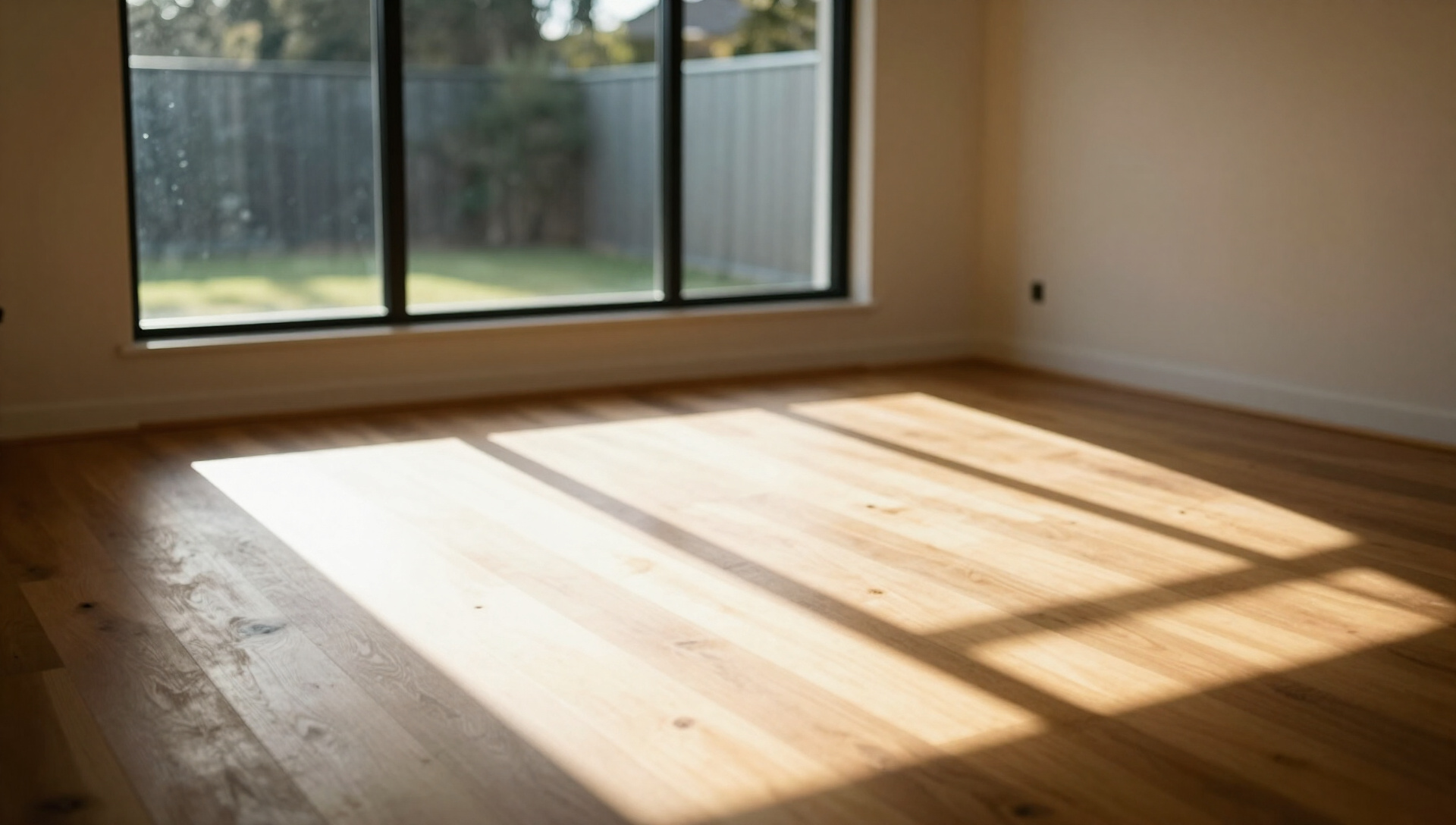
Brighton’s coastal climate brings cold, damp winters that penetrate uninsulated subfloors. Underfloor insulation addresses the specific issues of older homes in the area, where suspended floors and gaps in the structure let cold air rise into living spaces.
Insulation under the floorboards traps heat and prevents cold air from rising, making timber and carpeted floors noticeably warmer to walk on during Brighton’s chilly months.
Gaps between floorboards and around skirting let cold air in. Underfloor batts block these draughts, improving comfort and reducing the need for constant heating.
By stopping heat loss through the floor, your heater runs less often. Homeowners in Brighton typically see a reduction in energy bills after installing underfloor insulation.
A well-insulated subfloor reduces the temperature difference between the ground and the floor, which helps prevent condensation and moisture buildup that can lead to mould.
Combined with ceiling insulation, underfloor insulation creates a more consistent indoor temperature, reducing cold spots near windows and external walls.
We access the subfloor through existing vents or small access panels, so there’s no need to remove flooring or disrupt your home.
Installing underfloor insulation requires access to the subfloor, which we reach through existing vents or by creating small access points. The process is straightforward but must account for the condition of the subfloor, the spacing of joists and any obstacles like plumbing or wiring.
We check the subfloor for adequate crawl space, moisture issues and any existing insulation. Access is gained through vents or by lifting a section of flooring if necessary.
Batts are measured to fit snugly between the floor joists without compressing, which would reduce their R-value. We use the chosen material - glasswool, polyester or rockwool - based on your preference and budget.
Batts are friction-fit between the joists, held in place without staples or adhesive. We ensure full coverage with no gaps, and keep clearances around pipes, cables and other services.
We seal any gaps around the edges of the subfloor and ensure the insulation is secure. The area is left clean, and access points are restored to their original condition.
Brighton’s mix of heritage weatherboard homes and older brick veneer properties often have suspended timber floors with little or no insulation. These floors sit above a ventilated subfloor, which in winter can be as cold as the outside air. Underfloor insulation is a practical upgrade for these homes, addressing cold floors and draughts without major renovations. Nearby suburbs like Hampton and Sandringham share similar housing stock and climate, making underfloor insulation a common solution across the bayside area.
Stop cold floors and draughts in Brighton with underfloor batts fitted under suspended timber floors.
Homeowners in Brighton often ask about the practicalities of underfloor insulation, from access and cost factors to the best materials for their home.
Underfloor insulation in Brighton targets the cold floors and draughts common in older homes with suspended timber floors. Without insulation, the subfloor space beneath these floors is exposed to outside temperatures, allowing cold air to rise through gaps in the floorboards. Installing batts between the joists blocks this airflow, improving thermal comfort and reducing heating costs. Brighton’s coastal location means winters can be damp as well as cold, so underfloor insulation also helps manage moisture by reducing temperature differences that lead to condensation.
The process begins with a subfloor inspection to confirm there is enough crawl space and no major issues like water damage or pest activity. We then measure and cut batts to fit snugly between the joists, using materials like glasswool, polyester or rockwool to achieve R-values typically between R1.5 and R2.5. These materials trap still air, which is the key to their thermal performance. The batts are held in place by friction, with no need for staples or glue, and we ensure full coverage while maintaining clearances around pipes and wiring.
Costs for underfloor insulation in Brighton depend on the size of the area, the chosen R-value and the ease of access to the subfloor. Homes with limited crawl space or obstacles like low joists may require more time on site. The type of batt also affects price, with polyester often costing more than glasswool but offering different handling and moisture resistance properties. For most Brighton homes, the investment pays off through lower heating bills and improved comfort, especially in living areas with timber floors.
Reduce cold floors and draughts in your Brighton home with professional underfloor insulation. We inspect your subfloor, recommend the right batts and R-value, and install with minimal disruption.